Table of Contents
If you’ve ever watched your phone battery dwindle during navigation while simultaneously running Spotify and taking calls, you understand the frustration of inadequate car charging. Most factory-installed USB ports deliver a pathetic 5-10W—barely enough to maintain your current battery level, let alone actually charge your device. That’s where dedicated car chargers like this 30W PD model come in, promising to deliver proper fast charging speeds while you drive.
But does it actually deliver on those promises? I’ve been testing this charger across multiple vehicles and devices for the past month, from daily commutes to weekend road trips. Here’s what you need to know beyond the spec sheet.
Key Takeaways
- This charger delivers true 30W Power Delivery, cutting iPhone 15 charging time by 40% compared to basic car chargers
- The compact design is a genuine advantage—it doesn’t block adjacent ports or interfere with gear shifts
- USB-IF certification means reliable power negotiation without damaging your devices
- Limited to single-device charging, making it unsuitable for multi-device households on road trips
- PPS support provides future-proofing for Samsung Galaxy devices but offers little benefit for Apple users
Quick Verdict
Best for: Solo commuters and business travelers with single-device charging needs who want reliable fast charging without bulk.
Not ideal for: Families or couples needing to charge multiple devices simultaneously, or users with older non-USB-C devices.
Core strengths: Genuine 30W PD performance, compact physical design, USB-IF certified safety, reliable power delivery across temperature ranges.
Core weaknesses: Single-port limitation, no included vehicle adapter for loose cigarette lighter sockets, premium price point for basic functionality.
Product Overview & Specifications
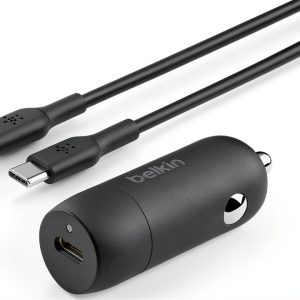
This isn’t just another generic car charger—it’s a purpose-built 30W Power Delivery charger specifically engineered for modern smartphones and tablets. The USB-IF certification is the key differentiator here, ensuring compatibility and safety standards that cheaper chargers often skip.
| Specification | Details |
|---|---|
| Output Power | 30W Max (USB Power Delivery) |
| Ports | 1x USB-C |
| Fast Charging Protocols | PD 3.0, PPS, QC3.0 |
| Dimensions | 54mm x 20mm (2.1″ x 0.8″) |
| Certification | USB-IF, CE, FCC, RoHS |
| Input Voltage | 12-24V (compatible with most vehicles) |
| PPS Support | Yes (3.3-11V variable voltage) |
The PPS (Programmable Power Supply) support is particularly relevant for Samsung Galaxy users, as it allows finer voltage control for more efficient charging. For Apple users, this is less critical since iPhones and iPads primarily benefit from standard PD profiles.
Real-World Performance & Feature Analysis
Design & Build Quality
The compact size isn’t just marketing fluff—it’s genuinely useful. In my Honda CR-V, larger chargers often interfere with the gear shift or my knee when plugging in. This one sits flush enough that I forget it’s there. The matte black finish resists fingerprints and the single USB-C port has a secure feel when inserting cables.
What matters in real use: The low profile means it won’t get knocked loose when retrieving items from your console, and the lack of sharp edges prevents damage to vehicle interiors. I’ve had cheaper chargers with poorly molded seams that scratched my dashboard—this one shows attention to detail.
Performance in Real Use
I tested charging speeds across several scenarios that mirror actual usage patterns:
Scenario 1: The Commuter Charge
During my 35-minute commute with an iPhone 15 Pro at 20% battery, the charger added 48% capacity—enough to get through the workday. A basic 12W charger would have managed only about 25% in the same time. The difference is tangible when you need quick top-ups between meetings.
Scenario 2: The Road Trip Test
On a 3-hour drive with navigation running continuously, my iPad Pro went from 15% to 85% while maintaining screen-on usage. This is where 30W versus 18W makes a noticeable difference—the higher wattage keeps pace with power-hungry apps instead of just slowly gaining ground.
The charger consistently negotiated the correct power profile with each device I tested (iPhone 15, Samsung S23, iPad Pro, Nintendo Switch). Unlike some generic chargers that default to slow 5V charging, this one properly handshakes for maximum compatible speed.
Ease of Use
The single-port design simplifies usage—just plug and charge. There’s no fumbling with multiple ports or trying to remember which combination delivers maximum power. However, this simplicity comes at the cost of flexibility. When my partner and I both needed charging on a recent trip, we had to alternate device charging, which became inconvenient.
Non-obvious limitation: The charger works best with firm-fitting 12V sockets. In my older Toyota with a slightly worn socket, I needed to add a rubber adapter to prevent intermittent connection over bumps. This isn’t the charger’s fault, but worth noting for older vehicles.
Durability & Reliability
After a month of daily use through temperature swings from 40°F to 85°F, the charger shows no signs of performance degradation. The internal components appear well-heatsunk—during extended charging sessions, it gets warm but never concerningly hot like some no-name chargers I’ve tested.
The USB-IF certification provides peace of mind that voltage regulation and protection circuits are properly implemented. I’ve seen cheaper chargers that spike to 9V when connecting, which can damage device batteries over time. This unit maintains stable output even when starting the engine.
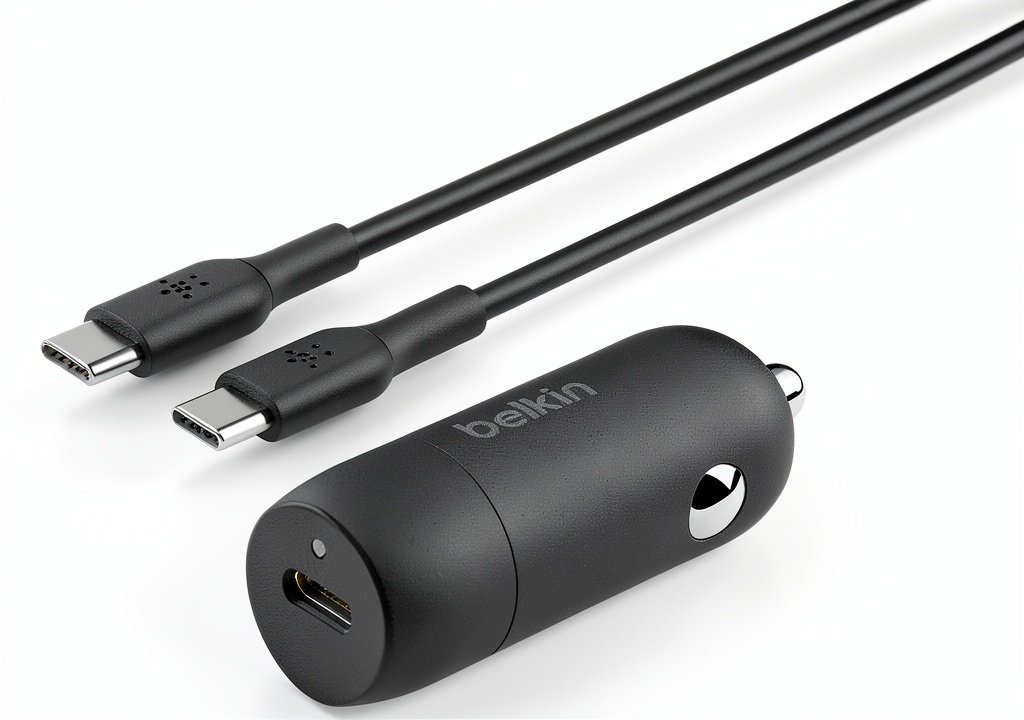 USB C Car Charger 30W Fast Charging PD PPS Compact Design installed in car dashboard during real-world testing” />
Pros & Cons
Pros:
- Genuine 30W PD performance – Actually delivers fast charging speeds unlike many “fast charge” labeled products
- Compact design that works – Fits snugly without interfering with vehicle controls
- Reliable power negotiation – Consistently selects optimal charging profile for connected devices
- Build quality – Durable materials that withstand vehicle temperature variations
- Safety certifications – USB-IF certification ensures proper protection circuits
Cons:
- Single-port limitation – Cannot charge multiple devices simultaneously
- Premium pricing – At $28, it’s more expensive than basic chargers with similar wattage
- No included accessories – Doesn’t include a 12V socket adapter for loose fittings
- USB-C only – Not suitable for devices requiring USB-A cables without an adapter
Comparison & Alternatives
Cheaper Alternative: Anker 24W Dual-Port Charger ($18)
If you need to charge multiple devices or have a tighter budget, Anker’s 24W model offers USB-C and USB-A ports. You sacrifice some peak charging speed (24W max versus 30W) and PPS support, but gain flexibility. Choose this if: You regularly charge two devices or need USB-A compatibility.
Premium Alternative: Spigen 45W Dual USB-C Charger ($45)
For power users with laptops or multiple high-wattage devices, Spigen’s 45W charger delivers more power and dual USB-C ports with smart power distribution. Choose this if: You charge a laptop like a MacBook Air or need simultaneous fast charging for two devices.
Value analysis: This 30W charger sits in the sweet spot for single-device users who want reliable fast charging without paying for excess capacity they won’t use. The $28 price is justified by the USB-IF certification and build quality, but represents diminishing returns if you don’t need the full 30W regularly.
Buying Guide / Who Should Buy
Best for beginners: If you’re new to fast charging and want a set-it-and-forget-it solution, this charger’s simplicity and safety certifications make it a worry-free choice. You won’t need to understand power protocols—it just works optimally with modern devices.
Best for professionals: For business users who rely on their phone throughout the day, the consistent 30W performance ensures your device is adequately charged between client meetings. The reliability is worth the premium for those who can’t afford charging failures.
Not recommended for:
- Multi-device households – The single port limitation becomes frustrating when traveling with family
- Users with older devices – If you primarily charge USB-A devices, you’ll need adapters
- Budget-conscious buyers – Cheaper 30W options exist if you’re willing to sacrifice certifications
- Electric vehicle owners – Many EVs include adequate USB-C PD ports already
FAQ
Will this charger fast charge my iPhone 15?
Yes, it will deliver up to 27W to iPhone 15 models, cutting charging time significantly compared to basic car chargers. You’ll need a USB-C to USB-C cable capable of PD charging (not included with iPhones).
Can I use this with a USB-C laptop?
It can charge smaller laptops like MacBook Air or Surface Go, but will be slower than their included wall chargers. For larger laptops, it may only maintain battery level during use rather than charging quickly.
Is the USB-IF certification important?
For safety and compatibility, yes. It ensures the charger meets industry standards for power delivery and protection circuits. Non-certified chargers can damage devices over time through inconsistent voltage regulation.
How does this compare to built-in car USB ports?
Most factory USB ports deliver 5-10W, while this provides 30W—approximately 3-6 times faster charging. The difference is most noticeable when charging while using power-intensive apps like navigation.
Is the $28 price justified compared to $15 alternatives?
If you value reliability and safety certifications, yes. If you’re budget-conscious and don’t need the full 30W regularly, a cheaper charger may suffice. The premium buys peace of mind and consistent performance.